Moroccan football is set to benefit from unprecedented structural investments as preparations for the 2030 World Cup accelerate. Fouzi Lekjaa, the minister in charge of the economy, recently unveiled comprehensive details regarding the tournament's legacy fund before the legislative institution, highlighting a strategic vision that extends far beyond the ninety minutes of a football match.
A 100 million dollar FIFA legacy fund for football
During his presentation before the finance committee at the House of Representatives regarding the 2027 finance bill, Fouzi Lekjaa announced that FIFA will allocate approximately 100 million dollars to the legacy fund. This substantial financial contribution aims to utilize football as a vital tool for social development, opening new horizons for young people especially in vulnerable regions that urgently require modern sports infrastructure and community initiatives.
Tax exemptions and financial measures
The minister explained that the legacy fund originates from a social mechanism established by FIFA, relying on a percentage of net profits generated from organizing the global tournament. To ensure maximum efficiency, the legacy fund will enjoy a complete and permanent tax exemption, safeguarding its resources for sports and social objectives. Furthermore, the finance bill includes temporary tax exemptions on income for tournament officials, volunteers, and non-resident players through 2031 and 2032.
Economic growth and future prospects
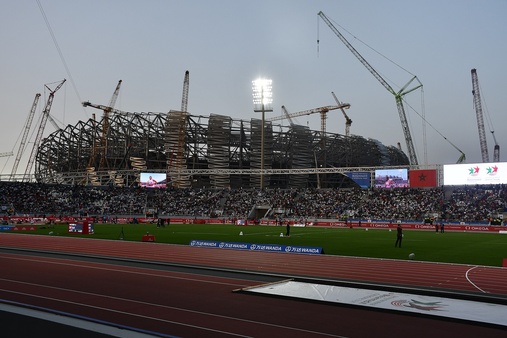
Beyond financial aspects, the 2030 World Cup represents a major catalyst for infrastructure investment and job creation in Morocco. Casablanca stands out as the beating heart of the event, supported by major projects such as the Grand Stade Hassan II in Benslimane. Projections indicate the creation of over 840,000 jobs and the arrival of 26 million tourists by 2030, transforming the global football showcase into a lasting engine for national economic growth and human development.
Photo : Amsttu — CC BY-SA 4.0, via Wikimedia Commons