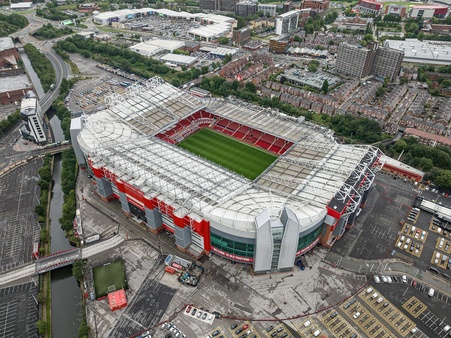
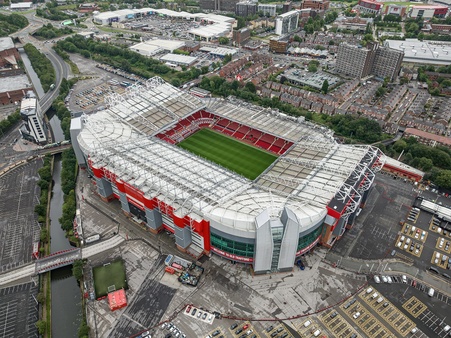
Manchester United debt remains above one billion pounds despite intensive cost-cutting measures implemented by Sir Jim Ratcliffe, with the English football club confirming an expenditure of £63.5 million on land acquisitions for their proposed new stadium. The announcement comes alongside record-breaking revenues of £677.6 million and an operating profit of £22.6 million for the financial year, marking a stark contrast to the previous year's £113.2 million loss.
Financial Context and Rising Costs
Despite generating record income and securing an operating profit even without participating in European competitions, the historic debt and financial burdens continue to weigh heavily on the institution. Net finance costs surged by 228.3% to reach £69.6 million, largely driven by foreign exchange losses. According to financial experts, these cumulative finance charges have surpassed £1 billion since the Glazer family leveraged buyout in 2005. Furthermore, the club added £94.14 million to its historic debt during a summer refinancing operation, utilizing £63.5 million specifically for purchasing land adjacent to the current arena.
Transfer Market Activity and Fan Frustration
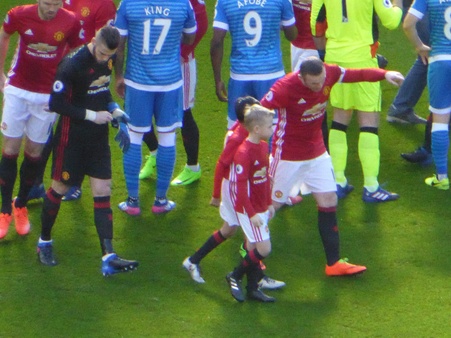
The financial constraints have directly impacted the first-team squad managed by Michael Carrick, creating widespread discontent among supporters regarding perceived under-investment. During the summer transfer window, the club invested £148 million to secure three new signings, namely Carlos Baleba, Andrey Santos, and Youri Tielemans. However, fans expressed severe frustration over the lack of depth in critical areas, such as a left-back to compete with the injury-prone Luke Shaw or additional striking options to support Benjamin Sesko. Chief executive Omar Berrada defended the strategy, emphasizing a disciplined financial approach to ensure long-term sustainability while maintaining competitiveness across both men's and women's divisions.
Upcoming Fixtures
As the team navigates through a challenging domestic campaign currently sitting in the lower half of the Premier League table, Manchester United will look to stabilize their sporting performances and financial trajectory in their upcoming matches.
Photo : Staff photographer — CC BY-SA 3.0, via Wikimedia Commons